

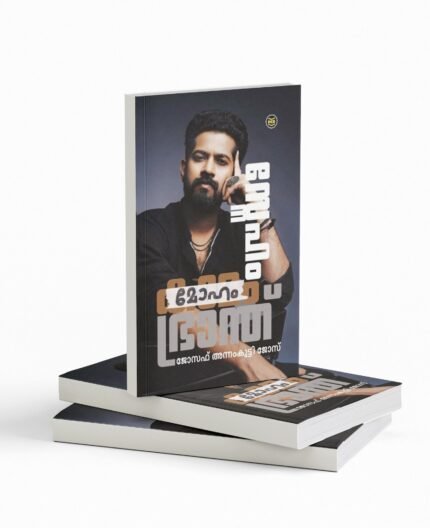
Sneham kamam branth|സ്നേഹം കമാം ഭ്രാന്ത്
ചുരുങ്ങിയകാലംകൊണ്ട് ഒരുലക്ഷത്തിലധികം കോപ്പികൾ വിറ്റഴിഞ്ഞ ദൈവത്തിന്റെ ചാരന്മാർ എന്ന പുസ്തകത്തിനു ശേഷം ജോസഫ് അന്നംകുട്ടി ജോസിന്റെ ഏറ്റവും പുതിയ പുസ്തകം. ഉള്ളിൽ പിറവിയെടുത്ത ആശയങ്ങളെ പച്ചയായി അവതരിപ്പിക്കുന്ന ഈ പുസ്തകത്തിലെ ഓരോ കഥകളിലെയും കഥാപാത്രങ്ങൾ നമുക്കുള്ളിലുളളവരാകാം, നമുക്ക് പ്രിയപ്പെട്ടവരാകാം. ഇതിലെ ചില കഥാപാത്രങ്ങളെ നിങ്ങൾ നെഞ്ചോട് ചേർത്തേക്കാം, ചിലർ നിങ്ങളിലെ ഭ്രാന്തിന് കൂട്ടായി മാറിയേക്കാം, ചിലരുടെ പാദങ്ങളിൽ വീണ് നമസ്കരിച്ചേക്കാം, മറ്റു ചിലരെ നിങ്ങൾക്ക് മനസ്സിലാകാതെ പോയേക്കാം.
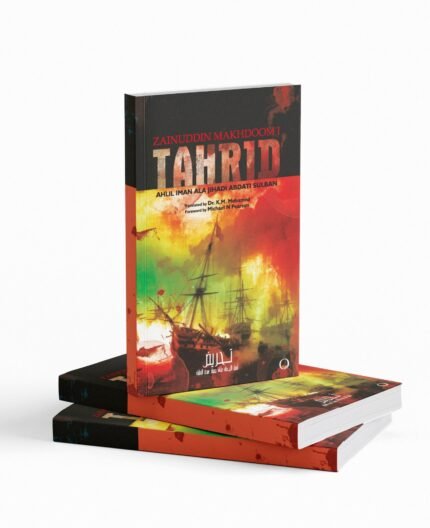
TAHRID – AHLIL IMAN ALA JIHADI ABDATI SULBAN
Tahrid ahlil Iman ala Jihadi Abdati Sulban was written by Sheikh Zainuddin 1, the grandfather of Sheikh zainuddin, author of Tuhfat al Mujahidin, arguably the first written history about Kerala. Written in the context of the Portuguese Invasion of Malabar, Tahrid is a poetic outburst of rancor at the event of colonialism couched in eschatological reference and expressing the tone and concern of a pamphleteer. The event of colonialism lies at the background of the book.
‘’the book will be much used, and valued, by Historians of Kerala, along with those studying the local reaction to the activities of the Portuguese in the sixteenth century, and those concerned with the Muslim diaspora spread all along the shores of the Indian Ocean. -Michael N Pearson.
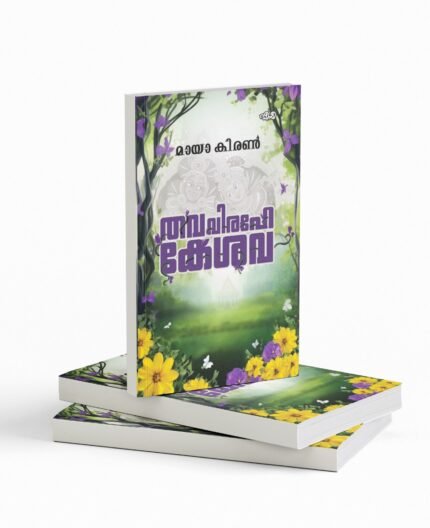
Thavavirahakeshava|തവവിരഹകേശവ
അഷ്ടപദിയും സോപാനസംഗീതവും മുഴങ്ങുന്ന അന്തരീക്ഷം. അവിടെയാണവരുടെ പ്രണയം ഉരുവംകൊണ്ടത്. ഇത് ആത്മാവുകൊണ്ടും മനസ്സുകൊണ്ടും ഒന്നായവരുടെ, പ്രണയത്തിലലിഞ്ഞു പ്രണയമായി മാറിയവരുടെ കഥയാണ്; ശ്രീനന്ദനയുടെയും നിരഞ്ജന്റെയും കഥ, അഭിനവകൃഷ്ണന്റെയും രാധയുടെയും കഥ. അനശ്വരമായ ആ പ്രണയത്തിന്റെ നിർമ്മാല്യപൂജ അവൾ നിത്യേന തൊഴുതു, ഹൃദയത്തിന്റെ അഷ്ടപദിയായി അവനെ സ്വീകരിച്ചു. ചെമ്പട്ടുകാവിലെത്തുന്ന ഗന്ധർവ്വനെ കാത്തിരിക്കുന്ന കന്യാദേവിയെപ്പോലെ ശ്രീനന്ദനയും കാത്തിരിക്കുകയാണ്. എന്നാൽ ഇവിടം നന്ദാവനമല്ല, ഈ പ്രണയം രാധാമാധവസമാനം. കാത്തിരിപ്പിന്റെ ഈരടികൾക്കും പ്രണയത്തിന്റെ മുരളീരവത്തിനുമൊപ്പം ഒമ്പതാം അഷ്ടപദി മുഴങ്ങുന്നു; 'രാധികാ തവ വിരഹേ കേശവ...'
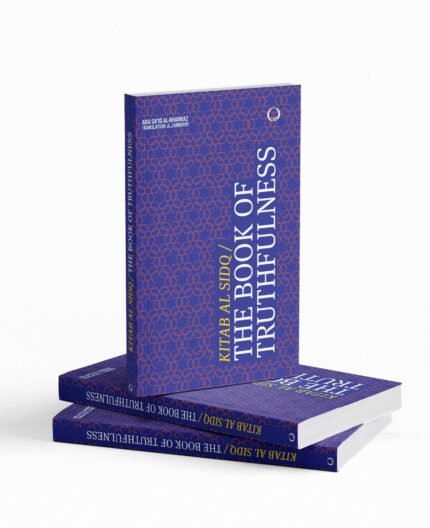
The Book Of Truthfulness
Truthfulness
Abu Sa’id al-Kharraz is a less-known Baghdadi mystic whose Kitab al-Sidq is a widely-known Sufi treatise popularised in the English speaking world chiefly through the translation of Arthur John Arberry titled ’Book of Truthfulness.’ The importance of this treatise lies in the fact that it is the earliest systematic presentation of the theory of Sufi experience, written by a practising Sufi.

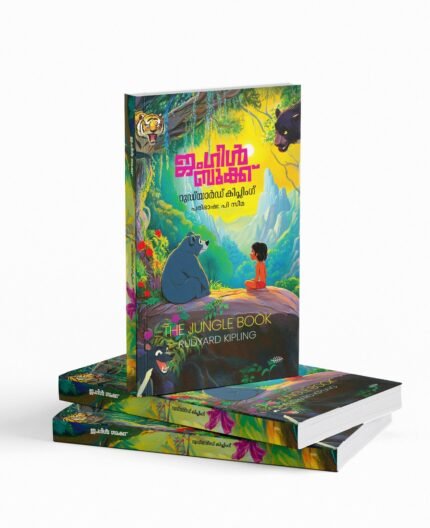
The Jungle Book|ജംഗിൾ ബുക്ക്
ജംഗിൾ ബുക്ക്
റുഡ്യാർഡ് കിപ്ലിoഗ്
പരിഭാഷ : പി സീമ
കാടിന്റെ ഹൃദയഭാഗത്ത് ചെന്നായ്ക്കൾ എടുത്തുവളർത്തിയ മൌഗ്ലിയെന്ന മനുഷ്യകുഞ്ഞിന്റെ കഥ. കാട്ടിലെ നിയമങ്ങൾക്കു കീഴിലെത്തിപ്പെടുന്ന മൌഗ്ലി കടന്നു പോകുന്ന ഹൃദയസ്പർശിയായ സാഹചര്യങ്ങൾ. ലോകത്തിലേറ്റവുമധികം വായിക്കപ്പെട്ട പുസ്തകങ്ങളിലൊന്നെന്ന് നിസ്സംശയം പറയാവുന്ന ‘ജംഗിൾ ബുക്കി’ ന്റെ മലയാള വിവർത്തനം. വിവർത്തകയുടെ ലളിതമായ ഭാഷയിലും വ്യത്യസ്തമായ അവതരണത്തിലും തയ്യാറാക്കിയിരിക്കുന്നു. കുട്ടികൾക്കുo മുതിർന്നവര്ക്കും ഒരുപോലെ പ്രിയങ്കരമാകുന്ന പുസ്തകം.
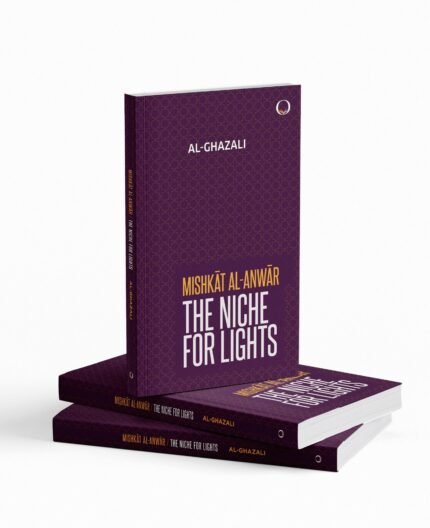
The Niche for Lights Mishkat Al-Anwar
This treatise gives an intimate glimpse of the inner life and esoteric thought of Imam al-Ghazali. It begins where his autobiographical Deliverance From Error (Al-Munqidh min al-Dalal) leaves off. It basically expounds the celebrated Light verse (24:35) from the Qur’an and the subject of Veils from the hadith. These are further elaborated in three sections; one studying the various meanings of “Light”, the other on symbolic language in the Qur’an and Hadith and the final section concludes by applying the results of this symbology to the verse and hadith in question.

THE RED THREAD AND THE SEA
When the sea takes Amith, Swathy is left with grief as deep as the ocean itself.
A marine biologist who once studied the sea with certainty must now confront the quiet, unpredictable tides of loss. Through memories, small rituals, and the invisible red thread that once bound their lives together, Swathy slowly learns that love does not disappear with absence-it changes form.
The Red Thread and the Sea is a tender story about grief, resilience, and the quiet ways the heart learns to begin again.
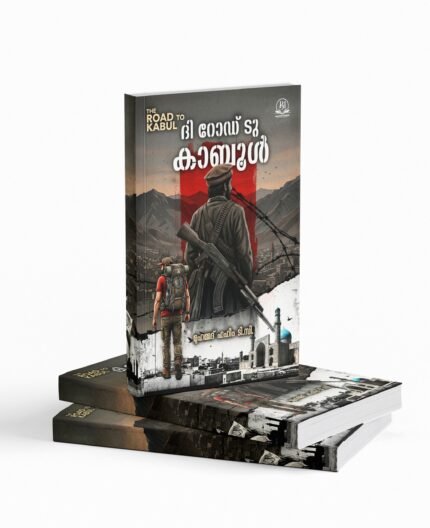
THE ROAd TO KABUL|ദി റോഡ് ടു കാബൂൽ
മലയാളികളുടെ യാത്രാ വായനയിൽ അധികം കടന്നുവന്നിട്ടില്ലാത്ത ഒരു രാജ്യം. അവിടത്തെ മൂന്ന് പ്രസിദ്ധമായ അഫ്ഗാൻ നഗരങ്ങൾ -ഹെറാത്ത്, കാണ്ഡഹാർ, കാബൂൾ. മനോഹരവും ഉദ്വേഗജനകവുമായാണ് ഈ യാത്രകളെ പറഞ്ഞുപോകുന്നത്. സോവിയറ്റ് - അമേരിക്കൻ കാലഘട്ടം മുതൽ നജീബുള്ളയും താലിബാനും വരേയുളള അഫ്ഗാൻ ചരിത്രം ഈ പുസ്തകത്തിന്റെ പ്രത്യേകതയാണ്. സഞ്ചരിക്കാൻ ഇതുപോലൊരു രാജ്യം തിരഞ്ഞെടുത്തു എന്നതിൽ തുടങ്ങുന്ന കൗതുകം എഴുത്തിലും കൊണ്ടുവരാൻ ഫഹീമിന് സാധിച്ചിട്ടുണ്ട്. തീർച്ചയായും മലയാളി ആഗ്രഹിക്കുന്നൊരു പുസ്തകമായിരിക്കും 'ദി റോഡ് ടു കാബൂൾ.'
-മൻസൂർ അഹമ്മദ്